
Stealing What God Promised to Give

Jay Nugteren • Community Life Pastor
September 27, 2026

3 Minute Read
Scripture


Watch The Sermon


If you haven’t yet, be sure to watch the sermon to join the discussion.
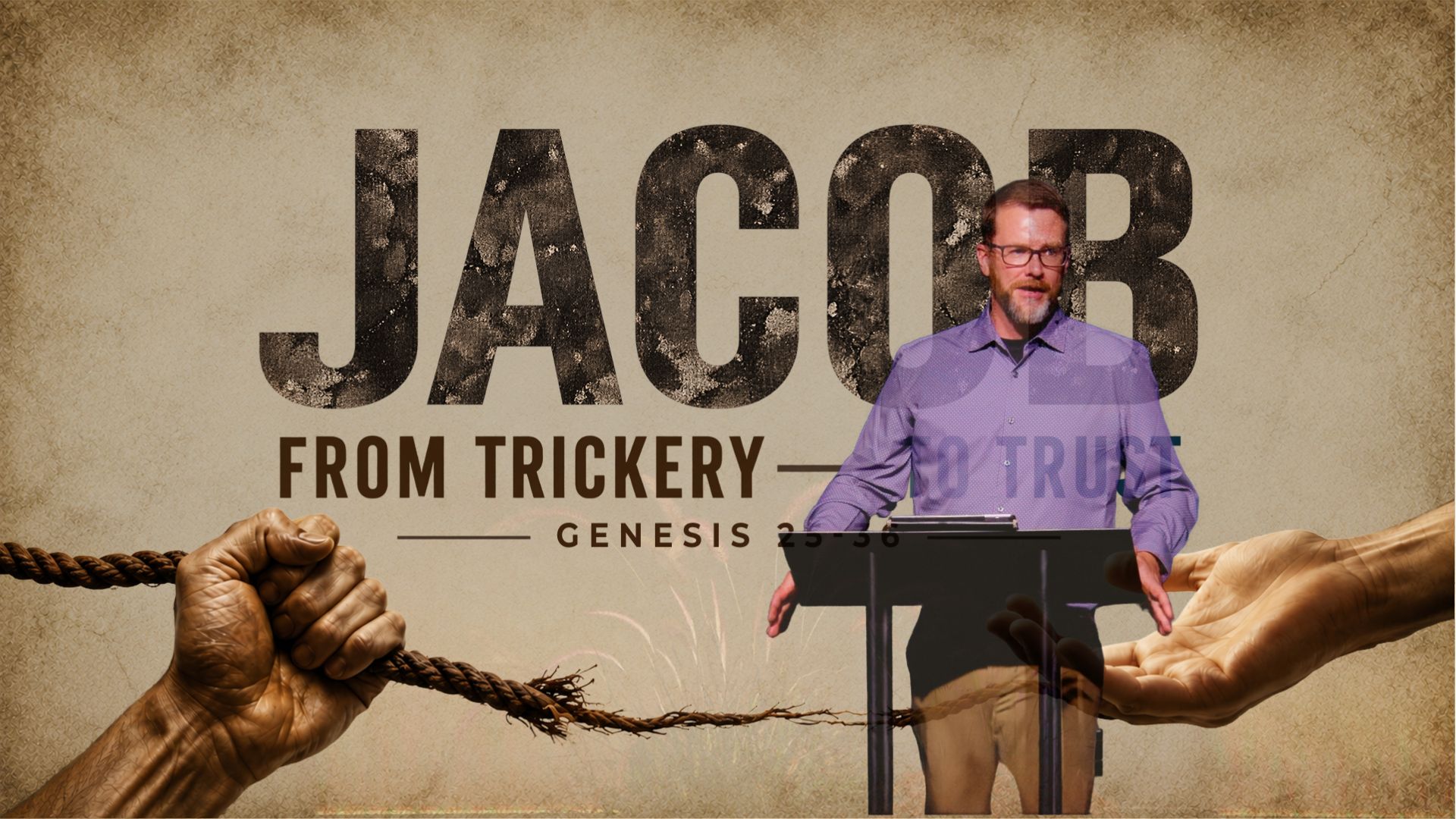
Stealing What God Promised to Give

Welcome to Oxford Online, where we believe that a relationship with Jesus Christ changes everything. As we continue our series through the life of Jacob, we’ll see how, when we try to force God’s promises through fear, control, or manipulation, we may gain what we want but lose our peace and damage our relationships. This message points us to the grace of Jesus Christ, through whom we receive God’s blessing—not by grasping, but by faith. Join us as we study Genesis 27 and consider what it means to move from clenched fists to open hands of trust.

Jay Nugteren • 9/27/2026

Message Summary


Genesis 27 presents a family where everyone is grasping for control. Isaac wants to bless Esau, his favourite son, even though God had already revealed that “the older shall serve the younger.” Rebekah hears Isaac’s plan and responds by creating a scheme to deceive him. Jacob agrees to lie and disguise himself so that he can receive the blessing. Esau also participates by pursuing the blessing without questioning.

The family members agree with God’s promised outcome, but they do not trust Him to accomplish it in His own way or timing. Instead, they manipulate circumstances and justify sinful actions in order to achieve what they believe God has promised.

Jacob does receive the blessing, but the apparent victory comes with terrible consequences. Isaac is deeply shaken, Esau becomes consumed with murderous hatred, Jacob must flee for his life, and Rebekah appears never to see her favourite son again. Human scheming did not accelerate God’s work; it damaged the family and stole their peace.

The passage points us to the gospel. Jacob wore Esau’s clothing and received a blessing by pretending to be someone he was not. In Christ, sinners do not need to disguise themselves or manipulate circumstances to receive God’s favour. By faith, we are clothed in Christ’s righteousness and receive forgiveness, adoption, and every spiritual blessing—not because we grasped for them, but because God gives them through grace.

Because our identity and future are secure in Christ, we can move from clenched fists to open palms: trusting God, receiving His grace with gratitude, and freely blessing others.


Small Group Questions


Opening Question
  1. Have you ever tried to force an outcome because you were afraid that waiting would mean losing what you wanted?
Understanding the Passage
  1. What had God already revealed about Jacob and Esau in Genesis 25:23?
  2. Why did Isaac want to bless Esau privately?
  3. What do Isaac’s actions reveal about the danger of allowing personal preference to overrule God’s revealed will?
  4. How did Rebekah respond when she heard Isaac’s plan?
  5. What was Jacob most concerned about when Rebekah proposed the deception?
  6. What lies did Jacob tell Isaac, and how did he even bring the Lord’s name into his deception?
  7. Why did Jacob’s plan appear successful in the short term?
  8. What consequences followed after Jacob received the blessing?
  9. How did Esau respond when he realized what had happened?
  10. What does this chapter teach us about the difference between trusting God’s promises and trying to force God’s promises?
Growth and Application
  1. Where are you tempted to “help God out” because you are afraid His timing is too slow?
  2. Are there situations where you agree with what God wants but are tempted to use ungodly methods to achieve it?
  3. What are you currently holding tightly through worry, manipulation, control, or fear?
  4. How might grasping for control be damaging your relationships or stealing your peace?
  5. What would it look like for you to move from clenched fists to open palms in that situation?
  6. How can you respond to God’s grace by becoming more willing to bless and serve others rather than focusing on what you can gain?


Prayer


Pray for:

  • Trust in God’s faithfulness when His timing seems slow.
  • Repentance for ways we have manipulated, controlled, or deceived others.
  • Wisdom to pursue God’s purposes through faithful and godly means.
  • Peace in situations where we are tempted to grasp for control.
  • Gratitude for the righteousness and acceptance we receive through Christ.
  • Open hands that receive God’s grace and freely give His love to others.
Up Next
From this Author: Jay Nugteren
Currently Reading
September 27, 2026 • 4 Minute Read
Stealing What God Promised to Give
Scripture Genesis 27:1-46 (ESV) Watch The Sermon If you haven’t yet, be sure to watch the sermon to join the discussion.Watch the service Message Summary Genesis 27 presents a family where everyone is grasping for control. Isaac wants to bless Esau, his favourite son, even though God had already revealed that “the older shall serve the younger.” Rebekah hears Isaac’s plan and responds by creating a scheme to deceive him. Jacob agrees to lie and disguise himself so that he can receive the blessing. Esau also participates by pursuing the blessing without questioning. The family members agree with God’s promised outcome, but they do not trust Him to accomplish it in His own way or timing. Instead, they manipulate circumstances and justify sinful actions in order to achieve what they believe God has promised. Jacob does receive the blessing, but the apparent victory comes with terrible consequences. Isaac is deeply shaken, Esau becomes consumed with murderous hatred, Jacob must flee for his life, and Rebekah appears never to see her favourite son again. Human scheming did not accelerate God’s work; it damaged the family and stole their peace. The passage points us to the gospel. Jacob wore Esau’s clothing and received a blessing by pretending to be someone he was not. In Christ, sinners do not need to disguise themselves or manipulate circumstances to receive God’s favour. By faith, we are clothed in Christ’s righteousness and receive forgiveness, adoption, and every spiritual blessing—not because we grasped for them, but because God gives them through grace. Because our identity and future are secure in Christ, we can move from clenched fists to open palms: trusting God, receiving His grace with gratitude, and freely blessing others. Small Group Questions Opening Question Have you ever tried to force an outcome because you were afraid that waiting would mean losing what you wanted? Understanding the Passage What had God already revealed about Jacob and Esau in Genesis 25:23? Why did Isaac want to bless Esau privately? What do Isaac’s actions reveal about the danger of allowing personal preference to overrule God’s revealed will? How did Rebekah respond when she heard Isaac’s plan? What was Jacob most concerned about when Rebekah proposed the deception? What lies did Jacob tell Isaac, and how did he even bring the Lord’s name into his deception? Why did Jacob’s plan appear successful in the short term? What consequences followed after Jacob received the blessing? How did Esau respond when he realized what had happened? What does this chapter teach us about the difference between trusting God’s promises and trying to force God’s promises? Growth and Application Where are you tempted to “help God out” because you are afraid His timing is too slow? Are there situations where you agree with what God wants but are tempted to use ungodly methods to achieve it? What are you currently holding tightly through worry, manipulation, control, or fear? How might grasping for control be damaging your relationships or stealing your peace? What would it look like for you to move from clenched fists to open palms in that situation? How can you respond to God’s grace by becoming more willing to bless and serve others rather than focusing on what you can gain? Prayer Pray for: Trust in God’s faithfulness when His timing seems slow. Repentance for ways we have manipulated, controlled, or deceived others. Wisdom to pursue God’s purposes through faithful and godly means. Peace in situations where we are tempted to grasp for control. Gratitude for the righteousness and acceptance we receive through Christ. Open hands that receive God’s grace and freely give His love to others.

September 8, 2026 • 2 Minute Read
Welcome to Small Groups at Oxford!
Growing Together: The Purpose and Goals of Small Groups At Oxford Baptist Church, a relationship with Jesus Christ is a lifelong journey full of intentional next steps. Small Group Ministry is one of the primary ways we walk out that journey together, living out our core mission to glorify God by making disciples who love one another and share Jesus with our community. While our Sunday gatherings bring us together as a whole church family, small groups offer the close-knit setting where deep spiritual growth and authentic community happen. The Main Goals of Our Small Groups Engaging in God's Word: Small groups provide an approachable space to open Scripture together, dig deeper into truth, and discover how God's Word guides daily life. Reinforcing Sunday Sermon Truths: Group discussions allow us to review, discuss, and practicalize the biblical truths preached on Sunday morning, taking sermon points from the pulpit into our weekly routines. Building Authentic Relationships: Faith was never meant to be lived in isolation. Small groups help us form genuine friendships, build trust, and share life honestly with fellow believers. Caring and Loving One Another: In obedience to Scripture's commands to care for one another, small groups serve as our primary network for mutual support, prayer, encouragement, and practical love during all seasons of life. Small groups are where you can grow in relationship with God and fellow believers. Whether you are new to faith or have been following Christ for years, finding a small group is a meaningful next step in your spiritual walk. Click below to get connected to a small group.Small Group Sign Up