
Scripture
- Genesis 25:19–34
- Additional passages: Romans 9:10–13; Psalm 115:3
Watch The Sermon
If you haven’t yet, be sure to watch the sermon to join the discussion.
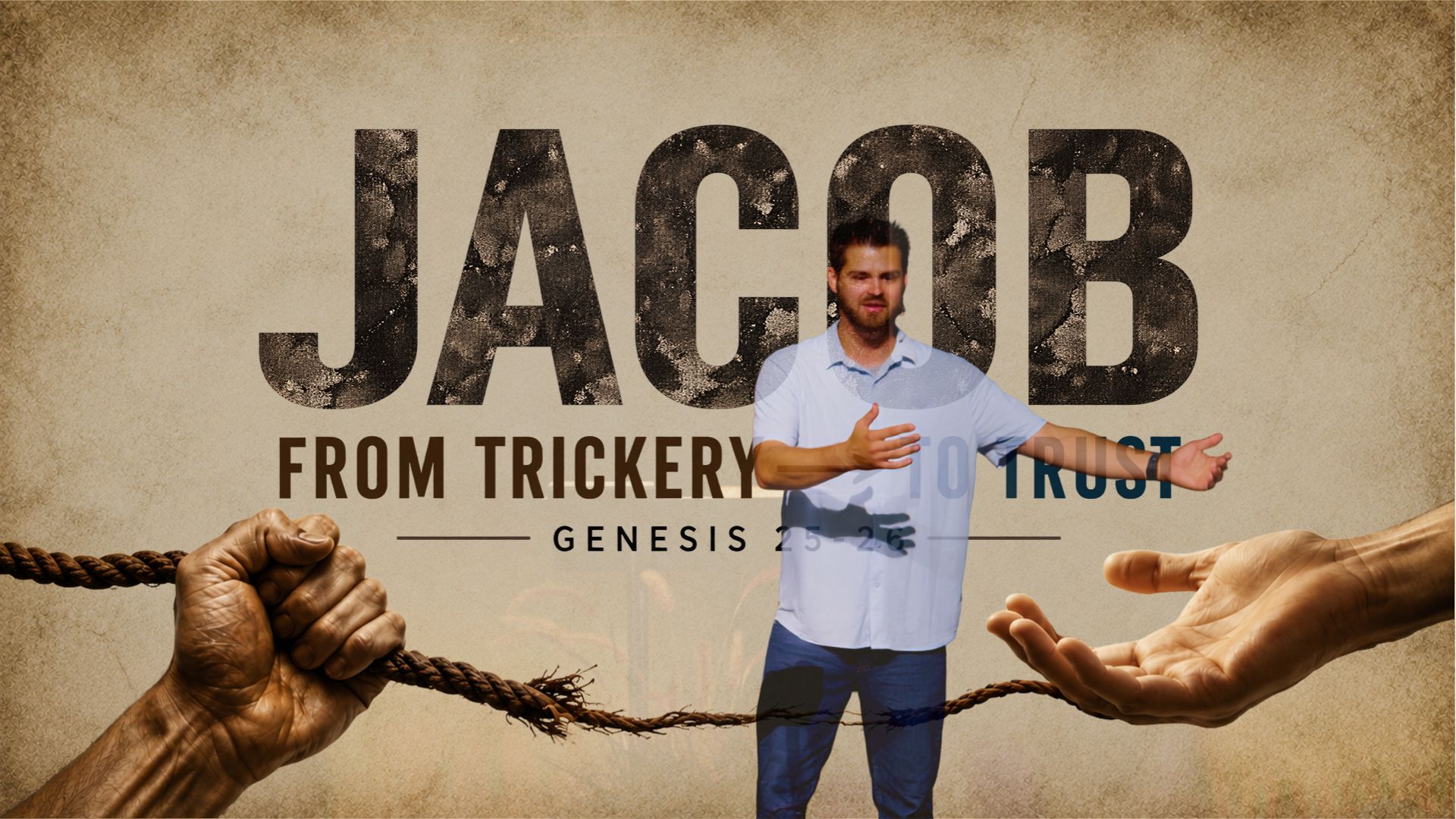
God’s Plan Seems Backward
Welcome to Oxford Online, where we believe that a relationship with Jesus Christ changes everything. We're so excited for our fall kickoff as we jump back into the book of Genesis and explore the life of Jacob. Today we're exploring Genesis 25:19-34 to see how God's plan can sometimes seem backwards. As we look at God's sovereignty over Jacob and Esau, we pray that you trust more deeply in God's plans for you.
Message Summary
Genesis 25 introduces us to Isaac’s sons, Jacob and Esau. Isaac and Rebekah waited twenty years before God answered Isaac’s prayer for children. Their story reminds us that God’s timing is not always our timing.
Before the twins were born, God revealed that the older son would serve the younger. This seemed backward because Esau, as the firstborn, would normally receive the birthright and inheritance. Romans 9 explains that God’s choice of Jacob was not based on anything Jacob had done. God chose Jacob according to His own purpose and will.
Later, Esau sold his birthright to Jacob for a meal. Esau treated God’s covenant promises as though they were less valuable than his immediate physical needs. Jacob’s actions revealed his tendency to take matters into his own hands, while Esau showed that he did not value God’s eternal promises.
The message challenged us to trust that God’s timing is better, His plans are wiser, and His priorities are more valuable than ours. Rather than forcing our own plans, we should act faithfully, pray, and wait on God. Above all, we should value the salvation God has provided through Jesus Christ and refuse to let temporary concerns distract us from eternal priorities.
Small Group Questions
Opening Question
- Have you ever had to wait longer than expected for something important? How did that experience affect your trust in God?
Understanding the Passage
- What difficulties did Isaac and Rebekah face in Genesis 25:19–21?
- What does Isaac’s response teach us about how he handled their long period of waiting?
- What did God reveal to Rebekah about Jacob and Esau before they were born?
- Why would “the older shall serve the younger” have seemed backward to the people of that time?
- What do Jacob’s actions in this passage reveal about his character?
- What does Esau’s willingness to sell his birthright reveal about his priorities?
- How does Romans 9:10–13 help us understand God’s choice of Jacob?
Growth and Application
- Where are you currently tempted to take matters into your own hands instead of prayerfully trusting God?
- What is the difference between acting faithfully and trying to force God’s plans?
- What temporary desires or concerns can distract you from valuing God’s eternal promises?
- How can you practically hold your plans loosely while continuing to make wise and faithful decisions?
- How should the gospel shape your response when God’s timing or plans are difficult to understand?
- How does remembering God’s eternal plan of salvation help you trust Him with the circumstances you do not understand?
Prayer
Pray for:
- Faith to trust God when His timing is different from ours.
- Humility to surrender our plans to His wisdom.
- Wisdom to act faithfully without trying to control God’s purposes.
- Greater desire for God’s eternal promises than for temporary satisfaction.
- A deeper appreciation for the salvation we have received through Jesus Christ.