God’s Plan Seems Backward

Tyler BowlesAssociate Pastor
September 13, 2026

3 Minute Read
Scripture


Watch The Sermon


If you haven’t yet, be sure to watch the sermon to join the discussion.
God’s Plan Seems Backward

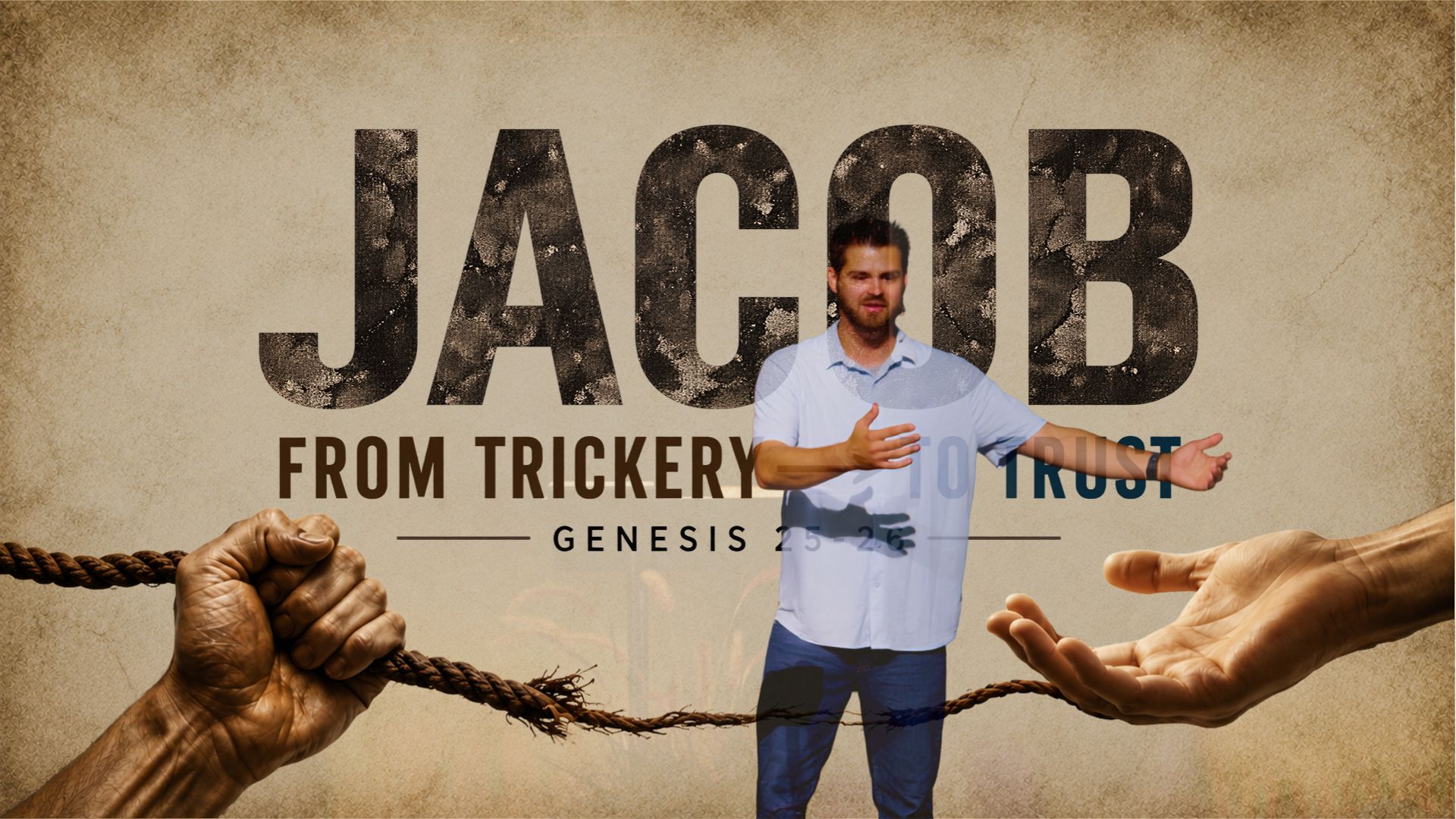
Welcome to Oxford Online, where we believe that a relationship with Jesus Christ changes everything. We're so excited for our fall kickoff as we jump back into the book of Genesis and explore the life of Jacob. Today we're exploring Genesis 25:19-34 to see how God's plan can sometimes seem backwards. As we look at God's sovereignty over Jacob and Esau, we pray that you trust more deeply in God's plans for you.

Tyler Bowles9/13/2026

Message Summary


Genesis 25 introduces us to Isaac’s sons, Jacob and Esau. Isaac and Rebekah waited twenty years before God answered Isaac’s prayer for children. Their story reminds us that God’s timing is not always our timing.

Before the twins were born, God revealed that the older son would serve the younger. This seemed backward because Esau, as the firstborn, would normally receive the birthright and inheritance. Romans 9 explains that God’s choice of Jacob was not based on anything Jacob had done. God chose Jacob according to His own purpose and will.

Later, Esau sold his birthright to Jacob for a meal. Esau treated God’s covenant promises as though they were less valuable than his immediate physical needs. Jacob’s actions revealed his tendency to take matters into his own hands, while Esau showed that he did not value God’s eternal promises.

The message challenged us to trust that God’s timing is better, His plans are wiser, and His priorities are more valuable than ours. Rather than forcing our own plans, we should act faithfully, pray, and wait on God. Above all, we should value the salvation God has provided through Jesus Christ and refuse to let temporary concerns distract us from eternal priorities.


Small Group Questions


Opening Question
  1. Have you ever had to wait longer than expected for something important? How did that experience affect your trust in God?
Understanding the Passage
  1. What difficulties did Isaac and Rebekah face in Genesis 25:19–21?
  2. What does Isaac’s response teach us about how he handled their long period of waiting?
  3. What did God reveal to Rebekah about Jacob and Esau before they were born?
  4. Why would “the older shall serve the younger” have seemed backward to the people of that time?
  5. What do Jacob’s actions in this passage reveal about his character?
  6. What does Esau’s willingness to sell his birthright reveal about his priorities?
  7. How does Romans 9:10–13 help us understand God’s choice of Jacob?
Growth and Application
  1. Where are you currently tempted to take matters into your own hands instead of prayerfully trusting God?
  2. What is the difference between acting faithfully and trying to force God’s plans?
  3. What temporary desires or concerns can distract you from valuing God’s eternal promises?
  4. How can you practically hold your plans loosely while continuing to make wise and faithful decisions?
  5. How should the gospel shape your response when God’s timing or plans are difficult to understand?
  6. How does remembering God’s eternal plan of salvation help you trust Him with the circumstances you do not understand?


Prayer


Pray for:

  • Faith to trust God when His timing is different from ours.
  • Humility to surrender our plans to His wisdom.
  • Wisdom to act faithfully without trying to control God’s purposes.
  • Greater desire for God’s eternal promises than for temporary satisfaction.
  • A deeper appreciation for the salvation we have received through Jesus Christ.

Up Next
From this Collection: Small Group Discussions
September 20, 20263 Minute Read
Lessons from a Nomad
Scripture Genesis 26:1–35 Watch The Sermon If you haven’t yet, be sure to watch the sermon to join the discussion.Watch Here Message Summary Genesis 26 shows Isaac facing many of the same troubles his father Abraham experienced. There was a famine in the land, and the natural response would have been to go to Egypt for security. However, God specifically told Isaac not to go. Isaac was called to follow God’s direction rather than simply doing what seemed normal or copying the crowd. God then repeated His covenant promises to Isaac: He would be with him, bless him, give him the land, multiply his offspring, and bless the nations through them. These promises were not based on Isaac’s perfect behaviour. Isaac soon repeated the same sinful pattern Abraham had modelled by claiming that Rebekah was his sister rather than his wife. Yet God protected Isaac, preserved the covenant family, and continued to bless him. Isaac’s prosperity led to envy and conflict with the Philistines. Rather than responding with bitterness or fighting for every well, Isaac continued moving until the Lord made room for him. Eventually, even Abimelech recognized that the Lord was with Isaac. The message reminds us to follow God rather than the crowd, trust His promises, learn from the examples we have received, avoid bitterness and envy, and live in such a way that others can see the Lord’s presence in our lives. Small Group Questions Opening Question Have you ever felt pressure to respond to a difficult situation in the same way everyone else was responding? What made it difficult to choose a different path? Understanding the Passage What circumstances did Isaac face at the beginning of Genesis 26? Why would going to Egypt have seemed like a reasonable or normal response to the famine? What specific instructions did God give Isaac, and what promises did He make to him? What does this passage teach us about the difference between following God and simply following the crowd? How did Isaac repeat the sinful pattern previously seen in Abraham’s life? What warning does Isaac’s example give us about the behaviours and attitudes we model for others? What does Abimelech’s response reveal about the seriousness of Isaac’s deception and the importance of marriage? How did God continue to bless Isaac even though Isaac did not always act faithfully? Why did the Philistines envy Isaac, and how did Isaac respond to their opposition? What did Abimelech and his companions recognize about Isaac in verse 28? Growth and Application Where might you be tempted to do what seems normal or secure instead of obeying God? Are there sinful patterns in your life that you may have learned from your family or past influences? How can you respond through repentance rather than simply repeating them? What does it mean to trust God’s promises when obedience seems costly or inconvenient? How can you guard against envying the blessings God has given to someone else? Is there any bitterness currently consuming energy or attention that could be redirected toward faithfulness and obedience? If people observed your life closely, what evidence might they see that the Lord is with you? Prayer Pray for: Faith to follow God when His instructions differ from what seems normal or safe. Wisdom to recognize and repent of sinful patterns we have learned from others. Gratitude for God’s undeserved and unearned blessings. Freedom from envy and bitterness. A life that clearly demonstrates that the Lord is with us. Greater confidence in God’s promises fulfilled through Jesus Christ.
Currently Reading
September 13, 20263 Minute Read
God’s Plan Seems Backward
Scripture Genesis 25:19–34 Additional passages: Romans 9:10–13; Psalm 115:3 Watch The Sermon If you haven’t yet, be sure to watch the sermon to join the discussion.Watch Here Message Summary Genesis 25 introduces us to Isaac’s sons, Jacob and Esau. Isaac and Rebekah waited twenty years before God answered Isaac’s prayer for children. Their story reminds us that God’s timing is not always our timing. Before the twins were born, God revealed that the older son would serve the younger. This seemed backward because Esau, as the firstborn, would normally receive the birthright and inheritance. Romans 9 explains that God’s choice of Jacob was not based on anything Jacob had done. God chose Jacob according to His own purpose and will. Later, Esau sold his birthright to Jacob for a meal. Esau treated God’s covenant promises as though they were less valuable than his immediate physical needs. Jacob’s actions revealed his tendency to take matters into his own hands, while Esau showed that he did not value God’s eternal promises. The message challenged us to trust that God’s timing is better, His plans are wiser, and His priorities are more valuable than ours. Rather than forcing our own plans, we should act faithfully, pray, and wait on God. Above all, we should value the salvation God has provided through Jesus Christ and refuse to let temporary concerns distract us from eternal priorities. Small Group Questions Opening Question Have you ever had to wait longer than expected for something important? How did that experience affect your trust in God? Understanding the Passage What difficulties did Isaac and Rebekah face in Genesis 25:19–21? What does Isaac’s response teach us about how he handled their long period of waiting? What did God reveal to Rebekah about Jacob and Esau before they were born? Why would “the older shall serve the younger” have seemed backward to the people of that time? What do Jacob’s actions in this passage reveal about his character? What does Esau’s willingness to sell his birthright reveal about his priorities? How does Romans 9:10–13 help us understand God’s choice of Jacob? Growth and Application Where are you currently tempted to take matters into your own hands instead of prayerfully trusting God? What is the difference between acting faithfully and trying to force God’s plans? What temporary desires or concerns can distract you from valuing God’s eternal promises? How can you practically hold your plans loosely while continuing to make wise and faithful decisions? How should the gospel shape your response when God’s timing or plans are difficult to understand? How does remembering God’s eternal plan of salvation help you trust Him with the circumstances you do not understand? Prayer Pray for: Faith to trust God when His timing is different from ours. Humility to surrender our plans to His wisdom. Wisdom to act faithfully without trying to control God’s purposes. Greater desire for God’s eternal promises than for temporary satisfaction. A deeper appreciation for the salvation we have received through Jesus Christ.

September 8, 20262 Minute Read
Welcome to Small Groups at Oxford!
Growing Together: The Purpose and Goals of Small Groups At Oxford Baptist Church, a relationship with Jesus Christ is a lifelong journey full of intentional next steps. Small Group Ministry is one of the primary ways we walk out that journey together, living out our core mission to glorify God by making disciples who love one another and share Jesus with our community. While our Sunday gatherings bring us together as a whole church family, small groups offer the close-knit setting where deep spiritual growth and authentic community happen. The Main Goals of Our Small Groups Engaging in God's Word: Small groups provide an approachable space to open Scripture together, dig deeper into truth, and discover how God's Word guides daily life. Reinforcing Sunday Sermon Truths: Group discussions allow us to review, discuss, and practicalize the biblical truths preached on Sunday morning, taking sermon points from the pulpit into our weekly routines. Building Authentic Relationships: Faith was never meant to be lived in isolation. Small groups help us form genuine friendships, build trust, and share life honestly with fellow believers. Caring and Loving One Another: In obedience to Scripture's commands to care for one another, small groups serve as our primary network for mutual support, prayer, encouragement, and practical love during all seasons of life. Small groups are where you can grow in relationship with God and fellow believers. Whether you are new to faith or have been following Christ for years, finding a small group is a meaningful next step in your spiritual walk. Click below to get connected to a small group.Small Group Sign Up