
Days of Desperation

Glenn Ronson • Interim Pastor
October 18, 2026

3 Minute Read
Scripture


Watch The Sermon


If you haven’t yet, be sure to watch the sermon to join the discussion.
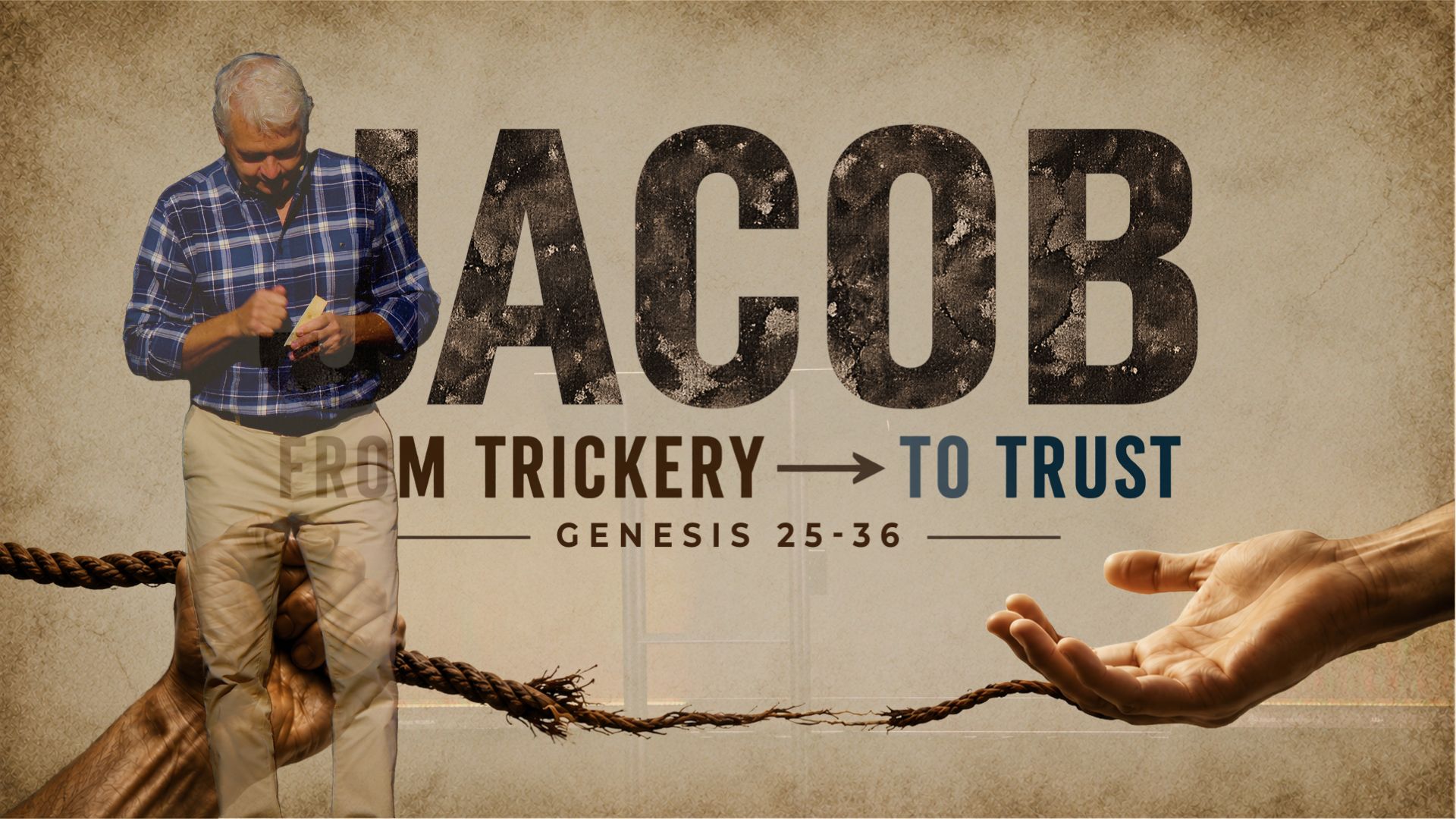
Days of Desperation

Welcome to Oxford Online, where we believe that a relationship with Jesus Christ changes everything. When we feel desperate, we can be tempted to control our circumstances, rely on superstition, or try to earn God’s favour through our own efforts. This message examines Leah and Rachel’s struggles and reminds us that true peace comes from trusting God’s grace, surrendering our need for control, and bringing our anxieties to Him in prayer.

Join us as we study Genesis 29–30 together.

Glenn Ronson • 10/18/2026

Message Summary


Jacob’s household was filled with tension, competition, and desperation. Leah longed to be loved by Jacob, while Rachel desperately wanted children. Their responses reveal how easily we can try to control circumstances, interpret God’s actions according to our desires, or rely on superstition and human effort.

Although Rachel used mandrakes and Leah viewed children as wages or rewards, the passage repeatedly shows that God is the One who gives life. Rachel eventually conceived because God remembered her and listened to her—not because her schemes had succeeded.

The message challenges us to reject the illusion of control, study and apply God’s Word, give up our need to predict outcomes, rely on God’s grace rather than our performance, and exchange anxiety for prayer. True peace comes when we stop trying to force God’s timing and trust Him with the outcome.


Small Group Questions


Opening Question
  1. When you feel desperate or anxious, what are you most tempted to do?
Understanding the Passage
  1. What do Leah and Rachel’s words and actions reveal about what each woman desired?
  2. How do the names given to the children reflect the way Leah and Rachel interpreted their circumstances?
  3. What does Genesis 30:22 teach us about why Rachel eventually had a son?
  4. What examples of control, superstition, or human striving appear in this passage?
Growth and Application
  1. Where are you currently tempted to control a situation that you need to entrust to God?
  2. Have you ever assumed that God was doing something because of your performance—or withholding something because of your failure? How does the gospel correct that thinking?
  3. What kinds of statements such as “God told me” or “This must be a sign” can become ways of justifying our own desires?
  4. How can studying and applying Scripture help you respond more wisely when you feel desperate?
  5. What outcome or timeline are you having difficulty surrendering to God?
  6. What would it look like this week to exchange anxiety for prayer in that situation?
  7. How does 2 Timothy 1:7 challenge the way you respond to fear and desperation?
  8. How can Philippians 4:6–7 shape your prayers when you are tempted to force an outcome?


Gospel Connection


Leah, Rachel, Jacob, and Laban all reveal the brokenness that sin brings into human relationships. Yet God continued to work through this messy family to accomplish His covenant promises, ultimately bringing the Saviour into the world.

Our hope does not rest in controlling our circumstances or earning God’s favour. Through Jesus Christ, we receive grace as a gift. How does the gospel help you trust God when your circumstances remain difficult or uncertain?


Prayer


Pray for:

  • Wisdom to recognize and reject the illusion of control.
  • Faith to trust God’s timing and purposes.
  • Freedom from relying on superstition, performance, or manipulation.
  • Grace to bring anxiety honestly to God in prayer.
  • Peace that comes from trusting God with the outcome.

Up Next
From this Tag: Small Groups
November 1, 2026 • 4 Minute Read
Slave to God
Scripture Titus 1:1 (ESV) Additional Passages 1 Corinthians 6:19-20 (ESV) Galatians 2:20 (ESV) Luke 9:23 (ESV) Watch The Sermon If you haven’t yet, be sure to watch the sermon to join the discussion.Watch the service Message Summary Paul begins his letter to Titus by identifying himself as a servant of God. This description expresses more than a willingness to help: Paul belongs to God and lives under His authority. Meeting Jesus changed the direction of Paul’s life, and his purpose became serving the One who had saved him. This calling belongs to every Christian. Jesus calls His followers to deny themselves, take up their cross, and follow Him. Our time, money, words, thoughts, bodies, and ambitions all come under His lordship. Following Jesus involves surrendering our right to direct life entirely around our own desires. The reason for this surrender is the grace of the gospel. Jesus lived the perfect life we could not live and bore our sin and judgment on the cross. He has redeemed us, freeing us from slavery to sin and making us His own. We respond to His love with gratitude, trusting Him and offering our lives in service. We will not all serve in the same way. Some are called to missionary or pastoral ministry; others serve Christ through family life, work, church, and everyday relationships. Each believer can offer what God has entrusted to them for the advancement of His kingdom. Remembering that we will meet Christ helps us live faithfully today. Small Group Questions Opening Question Think of someone who has served you generously. How did their kindness affect your desire to respond? Understanding the Passage What does Paul’s description of himself as a servant of God in Titus 1:1 tell us about his identity and priorities? Read 1 Corinthians 6:19–20. How does belonging to Christ change the way believers should use their bodies and live their lives? Read Galatians 2:20. How does this verse connect living for Christ with His love and sacrifice for us? Growth and Application Which area of your life is hardest to surrender to Jesus right now: your time, money, ambitions, relationships, habits, or something else? What is the difference between serving Christ out of gratitude and trying to earn His acceptance? Which motive do you notice most often in yourself? Read Luke 9:23. What would denying yourself and following Jesus look like in one ordinary decision this week? What good thing can become so important that it distracts you from obeying Christ? How could you put it back in its proper place? Hugo encouraged us to live the gospel as well as explain it. Where do your family, friends, or coworkers most need to see Christ’s patience, humility, or forgiveness in you? What gifts, opportunities, or relationships has God already given you that you could use to help someone know Jesus or grow as His disciple? How could remembering that you will meet Christ change the way you approach your responsibilities and priorities this week? Hugo described the importance of prayer in his ministry in Quebec. How could you participate more intentionally in making disciples through prayer, encouragement, giving, or personal involvement? What specific step of obedience will you take this week, and how can the group support you? Gospel Connection Jesus gave Himself for us to free us from sin and bring us into a new life that belongs to Him. Our surrender does not purchase salvation; it is our grateful response to the salvation He provides. We follow Him by faith, depending on His grace and the power of His Spirit. When obedience feels costly, how does remembering that Jesus loved you and gave Himself for you help you trust Him? Prayer Pray for: Thank Jesus for redeeming us and making us His own. Ask for willing hearts and the Spirit’s strength to obey Christ in every area of life. Pray that our homes, work, and relationships would reflect the gospel. Pray for Hugo, his family, and the work of evangelism and disciple-making in Quebec. Ask God to show each member one faithful next step in serving Him.
October 25, 2026 • 4 Minute Read
Peeling Sticks Instead of Trusting God
Scripture Genesis 30:25-43 (ESV) Genesis 31:1-16 (ESV) Additional Passages Hebrews 13:5 (ESV) Matthew 6:24-27 (ESV) Philippians 4:4-7 (ESV) Watch The Sermon If you haven’t yet, be sure to watch the sermon to join the discussion.Watch the service Message Summary After years of working for Laban, Jacob wanted to provide for his household and return home. But Laban continued to manipulate their arrangement, making Jacob’s future feel uncertain. Jacob responded with his own schemes, including placing peeled branches in front of the breeding animals in an attempt to produce the kinds of offspring he would receive as wages. Although Jacob’s flocks increased, God later revealed that He had seen Laban’s unfair treatment and had provided for Jacob. The peeled sticks were not the source of Jacob’s prosperity. God was faithfully caring for His covenant family. The message challenges us to recognize our own “peeled sticks”—the strategies, habits, or formulas we depend on as though our future rests entirely on us. Trusting God does not mean refusing to work or plan. It means working faithfully without making money our master, manipulating others, or believing that everything depends on our ability to control the outcome. God’s grace and providence sustain us. Because He promises His presence, we can bring our concerns to Him with thanksgiving and take the next step of obedience. Small Group Questions Opening Question When something important feels uncertain, what is your first instinct: make a plan, work harder, seek reassurance, pray, or something else? Understanding the Passage How did Laban’s treatment of Jacob create pressure for him to take matters into his own hands? How does Genesis 31:9–13 explain what was happening behind Jacob’s growing flocks? What response to God’s direction do Rachel and Leah express in Genesis 31:14–16? Growth and Application What might “peeling sticks” look like in your life—something you rely on to secure an outcome instead of trusting God? When you face unfair treatment, what temptations become strongest? What would an honest, faithful response look like? How can you distinguish between responsible planning and trying to control everything? What warning signs help you recognize the difference? Read Hebrews 13:5. How does God’s promise of His presence address our struggle with money and contentment? Jay described two dangers: laziness and anxious overwork. Which are you more vulnerable to, and what needs to change? Have you ever treated prayer, giving, church attendance, or another good practice as a formula for getting something from God? How does understanding grace change that approach? Looking back, where can you recognize God’s provision in something you once credited mainly to your own efforts? Read Philippians 4:4–7. What specific concern could you bring to God with thanksgiving this week, even before you know the outcome? Is there a clear step of obedience you have delayed because you want more certainty first? How could the group support you in taking it? Gospel Connection God remained faithful to Jacob despite Jacob’s flawed efforts to secure his own future. His care flowed from His covenant faithfulness, rather than Jacob’s ability to earn it. The gospel gives us an even greater assurance of God’s grace. Through Jesus’ death and resurrection, we receive forgiveness and acceptance that we could never manufacture through our own performance. Our security rests in Christ. How does knowing that you are accepted through Jesus help you work faithfully without making success, possessions, or other people’s approval your source of security? Prayer Pray for: Honesty to recognize where you rely on control or manipulation. Contentment grounded in God’s presence. Wisdom to work diligently while trusting God with the results. Gratitude for His provision and grace through Jesus. Courage to obey Him when the future remains uncertain.
October 18, 2026 • 3 Minute Read
Days of Desperation
Scripture Genesis 29:31-35 (ESV) Genesis 31:1-24 (ESV) Watch The Sermon If you haven’t yet, be sure to watch the sermon to join the discussion.Watch the service Message Summary Jacob’s household was filled with tension, competition, and desperation. Leah longed to be loved by Jacob, while Rachel desperately wanted children. Their responses reveal how easily we can try to control circumstances, interpret God’s actions according to our desires, or rely on superstition and human effort. Although Rachel used mandrakes and Leah viewed children as wages or rewards, the passage repeatedly shows that God is the One who gives life. Rachel eventually conceived because God remembered her and listened to her—not because her schemes had succeeded. The message challenges us to reject the illusion of control, study and apply God’s Word, give up our need to predict outcomes, rely on God’s grace rather than our performance, and exchange anxiety for prayer. True peace comes when we stop trying to force God’s timing and trust Him with the outcome. Small Group Questions Opening Question When you feel desperate or anxious, what are you most tempted to do? Understanding the Passage What do Leah and Rachel’s words and actions reveal about what each woman desired? How do the names given to the children reflect the way Leah and Rachel interpreted their circumstances? What does Genesis 30:22 teach us about why Rachel eventually had a son? What examples of control, superstition, or human striving appear in this passage? Growth and Application Where are you currently tempted to control a situation that you need to entrust to God? Have you ever assumed that God was doing something because of your performance—or withholding something because of your failure? How does the gospel correct that thinking? What kinds of statements such as “God told me” or “This must be a sign” can become ways of justifying our own desires? How can studying and applying Scripture help you respond more wisely when you feel desperate? What outcome or timeline are you having difficulty surrendering to God? What would it look like this week to exchange anxiety for prayer in that situation? How does 2 Timothy 1:7 challenge the way you respond to fear and desperation? How can Philippians 4:6–7 shape your prayers when you are tempted to force an outcome? Gospel Connection Leah, Rachel, Jacob, and Laban all reveal the brokenness that sin brings into human relationships. Yet God continued to work through this messy family to accomplish His covenant promises, ultimately bringing the Saviour into the world. Our hope does not rest in controlling our circumstances or earning God’s favour. Through Jesus Christ, we receive grace as a gift. How does the gospel help you trust God when your circumstances remain difficult or uncertain? Prayer Pray for: Wisdom to recognize and reject the illusion of control. Faith to trust God’s timing and purposes. Freedom from relying on superstition, performance, or manipulation. Grace to bring anxiety honestly to God in prayer. Peace that comes from trusting God with the outcome.

October 11, 2026 • 4 Minute Read
The Deceiver Is Deceived
Scripture Genesis 29:1-30 (ESV) Additional Texts Proverbs 26:27 (ESV) Ecclesiastes 7:15 (ESV) Galatians 6:7-10 (ESV) Romans 8:28 (ESV) Watch The Sermon If you haven’t yet, be sure to watch the sermon to join the discussion.Watch the service Message Summary Jacob arrives in Haran after fleeing from Esau. Although Jacob’s deception has caused great pain and forced him to leave home, God is still working in his life. At a well, Jacob meets Rachel, Laban’s daughter, and God’s providence becomes evident. Jacob obeys his parents’ instructions not to marry a Canaanite woman and begins working for Laban. Jacob agrees to serve Laban for seven years in order to marry Rachel. Because of his love for her, the seven years seem like only a few days. However, Laban deceives Jacob and gives him Leah instead. The deceiver has been deceived. Jacob then agrees to work another seven years to marry Rachel as well, creating a deeply troubled family situation. The story raises the question of whether people always reap exactly what they sow. Proverbs describes the general pattern that evil actions often bring destructive consequences, while Ecclesiastes reminds us that life is not always simple. Righteous people sometimes suffer, and wicked people sometimes prosper. We cannot always identify the exact reason for every hardship. Nevertheless, Galatians 6 reminds us that God is not mocked. We should not grow weary of doing good, even when the results are delayed or difficult to see. Ultimately, sin is the problem in Jacob’s family and in our own lives. Sin creates relational damage, injustice, favouritism, and suffering, but God has defeated sin through Jesus Christ. We can bring the mess created by sin to Him. Small Group Questions Opening Question Have you ever experienced a situation where doing the right thing seemed to bring difficulty while someone doing wrong appeared to benefit? Understanding the Passage Why had Jacob left home, and what was he hoping to find in Haran? What did Jacob agree to do in order to marry Rachel? How did Laban deceive Jacob? What consequences began to develop because of the decisions made by Jacob and Laban? How do Proverbs, Ecclesiastes, and Galatians together help us understand the idea of “reaping what we sow”? Growth and Application Where can you see God’s providence at work in Jacob’s life, even though Jacob was dealing with the consequences of his own sin? Have you ever assumed that your past failure placed you outside of God’s purposes? How does Jacob’s story challenge that assumption? How should God’s sovereignty encourage us when our own sin or mistakes have made life more difficult? Are there consequences from past decisions that you need to accept rather than continue trying to escape or deny? Where are you tempted to believe that immediate results are the best measure of whether you are doing what is right? How do you respond when someone who has acted dishonestly or selfishly seems to prosper? What is the danger of assuming that every hardship is a direct punishment for a specific sin? Are there any ways you are currently sowing to the flesh rather than sowing to the Spirit? Where are you tempted to grow weary of doing good because you do not see results? How can you continue doing what is right when the outcome seems unfair? What relationships in your life may be suffering because of favouritism, comparison, resentment, or unresolved sin? Is there someone you need to treat with greater honour, patience, or compassion? What mess created by sin do you need to bring honestly to Jesus? Gospel Connection Genesis 29 shows how sin creates a tangled web of deception, broken trust, manipulation, favouritism, and pain. Jacob’s sin affected not only him but also Esau, Isaac, Rebekah, Leah, Rachel, and eventually the next generation. Our own sin also creates a mess that we cannot repair through our own efforts. Yet God sent Jesus Christ to defeat sin, death, and the grave. At the cross, Jesus took the judgment we deserved so that those who trust in Him can receive forgiveness and restoration. How does the gospel give you hope when you see the damage caused by your own sin or the sin of others? Prayer Pray for: Humility to recognize the damage sin creates. Wisdom to learn from the consequences of past decisions. Patience when doing good does not seem to produce immediate results. Strength to continue sowing to the Spirit. Grace to treat others with honour rather than comparison or favouritism. Forgiveness and restoration through Jesus Christ. Faith to trust God’s providence even when life seems unfair or confusing.
October 4, 2026 • 4 Minute Read
Leaning into the Promises of God
Scripture Genesis 28:1-22 (ESV) Genesis 25:23 (ESV) John 1:51 (ESV) John 14:6 (ESV) Ephesians 1:3 (ESV) Watch The Sermon If you haven’t yet, be sure to watch the sermon to join the discussion.Watch the service Message Summary After deceiving Isaac and taking Esau’s blessing, Jacob leaves home and begins his journey to Paddan-aram. Isaac sends him to find a wife from Rebekah’s family and repeats the blessing God had given to Abraham. Jacob is reminded that God’s covenant includes land, descendants, and blessing to all the families of the earth. While Jacob is travelling, God meets him at Bethel through a dream. Jacob sees a stairway reaching from earth to heaven, with angels ascending and descending. God repeats the covenant promises and gives Jacob a personal assurance: “I am with you and will keep you wherever you go.” God promises that He will not leave Jacob until He has accomplished what He promised. Jacob’s response reveals both faith and spiritual immaturity. He recognizes that God has met him, but his vow may sound like an attempt to make a deal with God: “If God will be with me…then the Lord shall be my God.” Whether Jacob is bargaining or beginning to respond in faith to God’s promise, his spiritual growth is still incomplete. God is graciously leading Jacob from a life of manipulation toward deeper dependence and trust. The dream also points forward to Jesus. In John 1:51, Jesus applies the imagery of Jacob’s stairway to Himself. Jesus is the true connection between heaven and earth and the only way to the Father. We do not need to search for a special location or depend on dreams for direction. God’s promises and purposes are revealed definitively through Jesus Christ and the written Word of God. Small Group Questions Opening Question Have you ever been in a situation where you felt alone or uncertain about the future? What helped you remember that God was with you? Understanding the Passage What promises did God make to Jacob in Genesis 28:13–15? Why would these promises have been especially meaningful to Jacob as he left home? What did Jacob recognize about God after waking from the dream? What does Jacob’s vow reveal about his faith and spiritual maturity? How does John 1:51 connect Jacob’s dream to Jesus? What does this passage teach us about God’s faithfulness to His promises? Growth and Application Which promise of God do you most need to remember in your current circumstances? Where are you currently feeling alone, uncertain, or fearful about the future? How would trusting that God is with you change the way you respond to that situation? Are there areas where you are trying to make a deal with God rather than trusting Him? Do you tend to obey God only when you can see what you will receive in return? What does this reveal about your heart? When you need guidance, where do you usually turn first? How can you grow in relying on Scripture rather than dreams, feelings, or impressions to direct your decisions? What role should prayer and wise counsel play when you are trying to discern God’s direction? Are there ordinary situations where you fail to recognize God’s presence? How could you become more spiritually attentive? How does knowing that Jesus is the true way to the Father give you confidence when you feel spiritually distant? What would it look like this week to “lean into” one of God’s promises instead of trying to control the outcome? How could your confidence in God’s presence and faithfulness affect the way you encourage or serve someone else? Prayer Pray for: Greater confidence in God’s promises. Faith to trust God’s presence when we feel alone or uncertain. Wisdom to seek direction through Scripture, prayer, and godly counsel. Repentance for treating God as though our relationship with Him were a transaction. A deeper awareness of God’s presence in ordinary places and circumstances. Greater dependence on Jesus, the true way to the Father.
September 27, 2026 • 4 Minute Read
Stealing What God Promised to Give
Scripture Genesis 27:1-46 (ESV) Watch The Sermon If you haven’t yet, be sure to watch the sermon to join the discussion.Watch the service Message Summary Genesis 27 presents a family where everyone is grasping for control. Isaac wants to bless Esau, his favourite son, even though God had already revealed that “the older shall serve the younger.” Rebekah hears Isaac’s plan and responds by creating a scheme to deceive him. Jacob agrees to lie and disguise himself so that he can receive the blessing. Esau also participates by pursuing the blessing without questioning. The family members agree with God’s promised outcome, but they do not trust Him to accomplish it in His own way or timing. Instead, they manipulate circumstances and justify sinful actions in order to achieve what they believe God has promised. Jacob does receive the blessing, but the apparent victory comes with terrible consequences. Isaac is deeply shaken, Esau becomes consumed with murderous hatred, Jacob must flee for his life, and Rebekah appears never to see her favourite son again. Human scheming did not accelerate God’s work; it damaged the family and stole their peace. The passage points us to the gospel. Jacob wore Esau’s clothing and received a blessing by pretending to be someone he was not. In Christ, sinners do not need to disguise themselves or manipulate circumstances to receive God’s favour. By faith, we are clothed in Christ’s righteousness and receive forgiveness, adoption, and every spiritual blessing—not because we grasped for them, but because God gives them through grace. Because our identity and future are secure in Christ, we can move from clenched fists to open palms: trusting God, receiving His grace with gratitude, and freely blessing others. Small Group Questions Opening Question Have you ever tried to force an outcome because you were afraid that waiting would mean losing what you wanted? Understanding the Passage What had God already revealed about Jacob and Esau in Genesis 25:23? Why did Isaac want to bless Esau privately? What do Isaac’s actions reveal about the danger of allowing personal preference to overrule God’s revealed will? How did Rebekah respond when she heard Isaac’s plan? What was Jacob most concerned about when Rebekah proposed the deception? What lies did Jacob tell Isaac, and how did he even bring the Lord’s name into his deception? Why did Jacob’s plan appear successful in the short term? What consequences followed after Jacob received the blessing? How did Esau respond when he realized what had happened? What does this chapter teach us about the difference between trusting God’s promises and trying to force God’s promises? Growth and Application Where are you tempted to “help God out” because you are afraid His timing is too slow? Are there situations where you agree with what God wants but are tempted to use ungodly methods to achieve it? What are you currently holding tightly through worry, manipulation, control, or fear? How might grasping for control be damaging your relationships or stealing your peace? What would it look like for you to move from clenched fists to open palms in that situation? How can you respond to God’s grace by becoming more willing to bless and serve others rather than focusing on what you can gain? Prayer Pray for: Trust in God’s faithfulness when His timing seems slow. Repentance for ways we have manipulated, controlled, or deceived others. Wisdom to pursue God’s purposes through faithful and godly means. Peace in situations where we are tempted to grasp for control. Gratitude for the righteousness and acceptance we receive through Christ. Open hands that receive God’s grace and freely give His love to others.
September 20, 2026 • 3 Minute Read
Lessons from a Nomad
Scripture Genesis 26:1–35 Watch The Sermon If you haven’t yet, be sure to watch the sermon to join the discussion.Watch Here Message Summary Genesis 26 shows Isaac facing many of the same troubles his father Abraham experienced. There was a famine in the land, and the natural response would have been to go to Egypt for security. However, God specifically told Isaac not to go. Isaac was called to follow God’s direction rather than simply doing what seemed normal or copying the crowd. God then repeated His covenant promises to Isaac: He would be with him, bless him, give him the land, multiply his offspring, and bless the nations through them. These promises were not based on Isaac’s perfect behaviour. Isaac soon repeated the same sinful pattern Abraham had modelled by claiming that Rebekah was his sister rather than his wife. Yet God protected Isaac, preserved the covenant family, and continued to bless him. Isaac’s prosperity led to envy and conflict with the Philistines. Rather than responding with bitterness or fighting for every well, Isaac continued moving until the Lord made room for him. Eventually, even Abimelech recognized that the Lord was with Isaac. The message reminds us to follow God rather than the crowd, trust His promises, learn from the examples we have received, avoid bitterness and envy, and live in such a way that others can see the Lord’s presence in our lives. Small Group Questions Opening Question Have you ever felt pressure to respond to a difficult situation in the same way everyone else was responding? What made it difficult to choose a different path? Understanding the Passage What circumstances did Isaac face at the beginning of Genesis 26? Why would going to Egypt have seemed like a reasonable or normal response to the famine? What specific instructions did God give Isaac, and what promises did He make to him? What does this passage teach us about the difference between following God and simply following the crowd? How did Isaac repeat the sinful pattern previously seen in Abraham’s life? What warning does Isaac’s example give us about the behaviours and attitudes we model for others? What does Abimelech’s response reveal about the seriousness of Isaac’s deception and the importance of marriage? How did God continue to bless Isaac even though Isaac did not always act faithfully? Why did the Philistines envy Isaac, and how did Isaac respond to their opposition? What did Abimelech and his companions recognize about Isaac in verse 28? Growth and Application Where might you be tempted to do what seems normal or secure instead of obeying God? Are there sinful patterns in your life that you may have learned from your family or past influences? How can you respond through repentance rather than simply repeating them? What does it mean to trust God’s promises when obedience seems costly or inconvenient? How can you guard against envying the blessings God has given to someone else? Is there any bitterness currently consuming energy or attention that could be redirected toward faithfulness and obedience? If people observed your life closely, what evidence might they see that the Lord is with you? Prayer Pray for: Faith to follow God when His instructions differ from what seems normal or safe. Wisdom to recognize and repent of sinful patterns we have learned from others. Gratitude for God’s undeserved and unearned blessings. Freedom from envy and bitterness. A life that clearly demonstrates that the Lord is with us. Greater confidence in God’s promises fulfilled through Jesus Christ.
September 13, 2026 • 3 Minute Read
God’s Plan Seems Backward
Scripture Genesis 25:19–34 Additional passages: Romans 9:10–13; Psalm 115:3 Watch The Sermon If you haven’t yet, be sure to watch the sermon to join the discussion.Watch Here Message Summary Genesis 25 introduces us to Isaac’s sons, Jacob and Esau. Isaac and Rebekah waited twenty years before God answered Isaac’s prayer for children. Their story reminds us that God’s timing is not always our timing. Before the twins were born, God revealed that the older son would serve the younger. This seemed backward because Esau, as the firstborn, would normally receive the birthright and inheritance. Romans 9 explains that God’s choice of Jacob was not based on anything Jacob had done. God chose Jacob according to His own purpose and will. Later, Esau sold his birthright to Jacob for a meal. Esau treated God’s covenant promises as though they were less valuable than his immediate physical needs. Jacob’s actions revealed his tendency to take matters into his own hands, while Esau showed that he did not value God’s eternal promises. The message challenged us to trust that God’s timing is better, His plans are wiser, and His priorities are more valuable than ours. Rather than forcing our own plans, we should act faithfully, pray, and wait on God. Above all, we should value the salvation God has provided through Jesus Christ and refuse to let temporary concerns distract us from eternal priorities. Small Group Questions Opening Question Have you ever had to wait longer than expected for something important? How did that experience affect your trust in God? Understanding the Passage What difficulties did Isaac and Rebekah face in Genesis 25:19–21? What does Isaac’s response teach us about how he handled their long period of waiting? What did God reveal to Rebekah about Jacob and Esau before they were born? Why would “the older shall serve the younger” have seemed backward to the people of that time? What do Jacob’s actions in this passage reveal about his character? What does Esau’s willingness to sell his birthright reveal about his priorities? How does Romans 9:10–13 help us understand God’s choice of Jacob? Growth and Application Where are you currently tempted to take matters into your own hands instead of prayerfully trusting God? What is the difference between acting faithfully and trying to force God’s plans? What temporary desires or concerns can distract you from valuing God’s eternal promises? How can you practically hold your plans loosely while continuing to make wise and faithful decisions? How should the gospel shape your response when God’s timing or plans are difficult to understand? How does remembering God’s eternal plan of salvation help you trust Him with the circumstances you do not understand? Prayer Pray for: Faith to trust God when His timing is different from ours. Humility to surrender our plans to His wisdom. Wisdom to act faithfully without trying to control God’s purposes. Greater desire for God’s eternal promises than for temporary satisfaction. A deeper appreciation for the salvation we have received through Jesus Christ.
September 8, 2026 • 2 Minute Read
Welcome to Small Groups at Oxford!
Growing Together: The Purpose and Goals of Small Groups At Oxford Baptist Church, a relationship with Jesus Christ is a lifelong journey full of intentional next steps. Small Group Ministry is one of the primary ways we walk out that journey together, living out our core mission to glorify God by making disciples who love one another and share Jesus with our community. While our Sunday gatherings bring us together as a whole church family, small groups offer the close-knit setting where deep spiritual growth and authentic community happen. The Main Goals of Our Small Groups Engaging in God's Word: Small groups provide an approachable space to open Scripture together, dig deeper into truth, and discover how God's Word guides daily life. Reinforcing Sunday Sermon Truths: Group discussions allow us to review, discuss, and practicalize the biblical truths preached on Sunday morning, taking sermon points from the pulpit into our weekly routines. Building Authentic Relationships: Faith was never meant to be lived in isolation. Small groups help us form genuine friendships, build trust, and share life honestly with fellow believers. Caring and Loving One Another: In obedience to Scripture's commands to care for one another, small groups serve as our primary network for mutual support, prayer, encouragement, and practical love during all seasons of life. Small groups are where you can grow in relationship with God and fellow believers. Whether you are new to faith or have been following Christ for years, finding a small group is a meaningful next step in your spiritual walk. Click below to get connected to a small group.Small Group Sign Up