
Leaning into the Promises of God

Glenn Ronson • Interim Pastor
October 4, 2026

4 Minute Read
Scripture


Watch The Sermon


If you haven’t yet, be sure to watch the sermon to join the discussion.
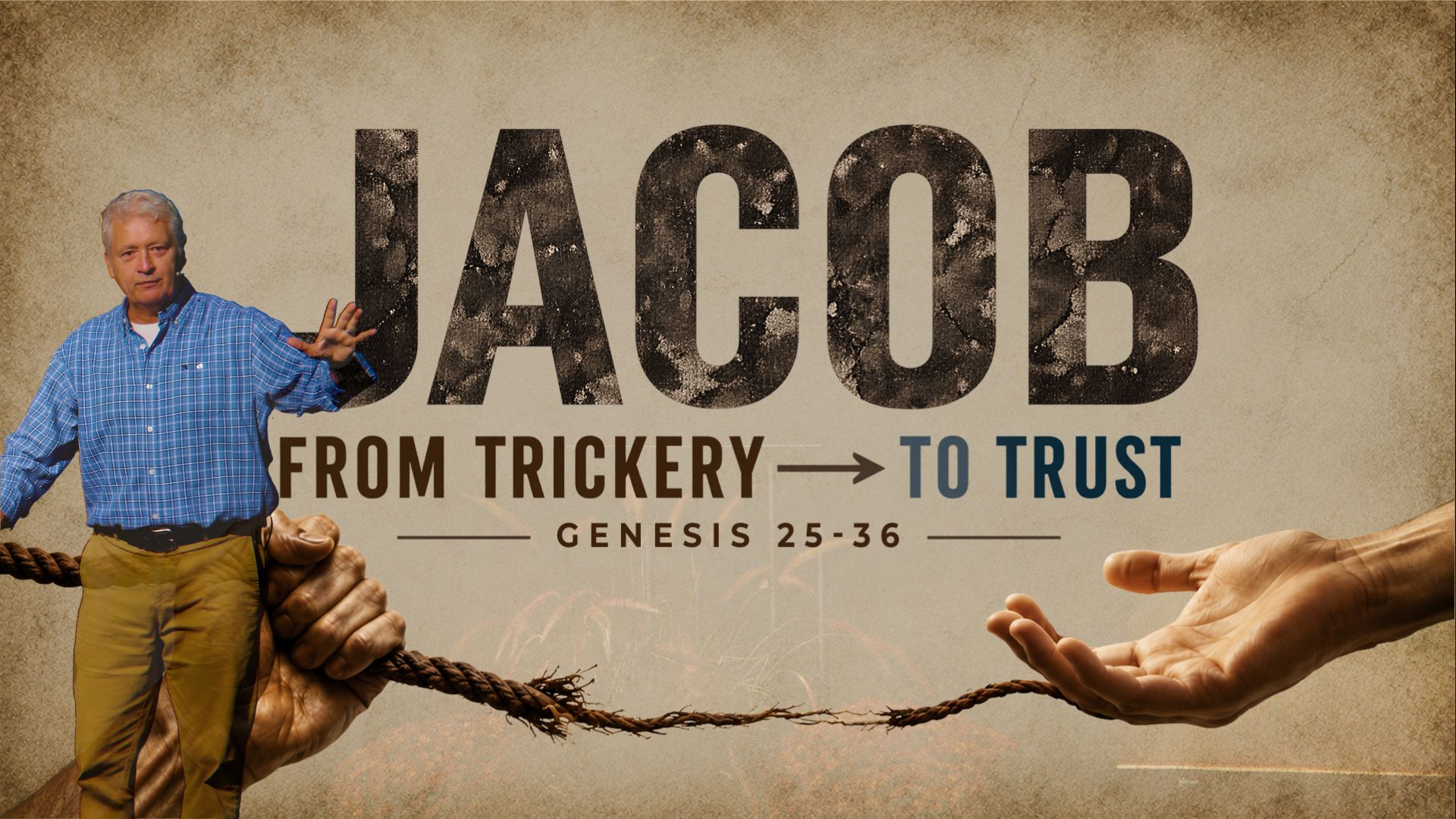
Leaning Into the Promises of God

Welcome to Oxford Online, where we believe that a relationship with Jesus Christ changes everything. Jacob encounters God at Bethel and receives the promise of His presence, protection, and faithfulness. This message explores how God graciously meets us in our uncertainty and points us to Jesus Christ, the true way between heaven and earth.

Join us as we consider what it means to trust God’s promises and lean into His presence.

Glenn Ronson • 10/4/2026

Message Summary


After deceiving Isaac and taking Esau’s blessing, Jacob leaves home and begins his journey to Paddan-aram. Isaac sends him to find a wife from Rebekah’s family and repeats the blessing God had given to Abraham. Jacob is reminded that God’s covenant includes land, descendants, and blessing to all the families of the earth.

While Jacob is travelling, God meets him at Bethel through a dream. Jacob sees a stairway reaching from earth to heaven, with angels ascending and descending. God repeats the covenant promises and gives Jacob a personal assurance: “I am with you and will keep you wherever you go.” God promises that He will not leave Jacob until He has accomplished what He promised.

Jacob’s response reveals both faith and spiritual immaturity. He recognizes that God has met him, but his vow may sound like an attempt to make a deal with God: “If God will be with me…then the Lord shall be my God.” Whether Jacob is bargaining or beginning to respond in faith to God’s promise, his spiritual growth is still incomplete. God is graciously leading Jacob from a life of manipulation toward deeper dependence and trust.

The dream also points forward to Jesus. In John 1:51, Jesus applies the imagery of Jacob’s stairway to Himself. Jesus is the true connection between heaven and earth and the only way to the Father. We do not need to search for a special location or depend on dreams for direction. God’s promises and purposes are revealed definitively through Jesus Christ and the written Word of God.


Small Group Questions


Opening Question
  1. Have you ever been in a situation where you felt alone or uncertain about the future? What helped you remember that God was with you?
Understanding the Passage
  1. What promises did God make to Jacob in Genesis 28:13–15?
  2. Why would these promises have been especially meaningful to Jacob as he left home?
  3. What did Jacob recognize about God after waking from the dream?
  4. What does Jacob’s vow reveal about his faith and spiritual maturity?
  5. How does John 1:51 connect Jacob’s dream to Jesus?
  6. What does this passage teach us about God’s faithfulness to His promises?
Growth and Application
  1. Which promise of God do you most need to remember in your current circumstances?
  2. Where are you currently feeling alone, uncertain, or fearful about the future?
  3. How would trusting that God is with you change the way you respond to that situation?
  4. Are there areas where you are trying to make a deal with God rather than trusting Him?
  5. Do you tend to obey God only when you can see what you will receive in return? What does this reveal about your heart?
  6. When you need guidance, where do you usually turn first?
  7. How can you grow in relying on Scripture rather than dreams, feelings, or impressions to direct your decisions?
  8. What role should prayer and wise counsel play when you are trying to discern God’s direction?
  9. Are there ordinary situations where you fail to recognize God’s presence? How could you become more spiritually attentive?
  10. How does knowing that Jesus is the true way to the Father give you confidence when you feel spiritually distant?
  11. What would it look like this week to “lean into” one of God’s promises instead of trying to control the outcome?
  12. How could your confidence in God’s presence and faithfulness affect the way you encourage or serve someone else?


Prayer


Pray for:

  • Greater confidence in God’s promises.
  • Faith to trust God’s presence when we feel alone or uncertain.
  • Wisdom to seek direction through Scripture, prayer, and godly counsel.
  • Repentance for treating God as though our relationship with Him were a transaction.
  • A deeper awareness of God’s presence in ordinary places and circumstances.
  • Greater dependence on Jesus, the true way to the Father.

Up Next
From this Author: Glenn Ronson
November 22, 2026 • 4 Minute Read
Covered and Accepted
Scripture Genesis 32:1-21 (ESV) Additional Passages Ephesians 1:6-7 (ESV) Ephesians 2:8-9 (ESV) Romans 15:7 (ESV) 1 John 1:9 (ESV) Watch The Sermon If you haven’t yet, be sure to watch the sermon to join the discussion.Watch the service Message Summary As Jacob continued home, he encountered the angels of God—a reminder of God’s presence along his journey. Yet when his messengers reported that Esau was approaching with four hundred men, Jacob became deeply afraid. Twenty years had passed, but he still remembered his brother’s anger and the consequences of his own deception. Jacob responded by dividing his household into two camps, hoping that some might escape if Esau attacked. Then he prayed. Glenn encouraged us to bring our concerns to God first, allowing prayer to shape our response rather than waiting until fear has driven our decisions. Jacob’s prayer recognized God’s character, recalled His direction, and acknowledged His undeserved kindness. Jacob remembered that he had left home with only his staff and was returning with a large household and abundant possessions. He honestly expressed his fear, asked for deliverance, and appealed to God’s promises. Jacob then sent a costly gift ahead, hoping to appease Esau and be accepted by him. Glenn used these themes of covering an offence and restoring a relationship to point us to Jesus. Our sin makes us guilty before God, but Jesus willingly gave His life to deal with our sin and the judgment we deserve. Acceptance with God is received through faith in Christ. It is a free gift to us, secured at great cost to Him. Small Group Questions Opening Question When you face a difficult conversation or an uncertain outcome, what is usually your first response? Understanding the Passage What made the report about Esau so frightening to Jacob, especially considering their history? Read Genesis 32:9–12. What does Jacob acknowledge about God, himself, and his circumstances as he prays? Read Genesis 32:13–21. What did Jacob hope his gifts would accomplish? How do his actions reveal his desire to be accepted? Growth and Application Glenn suggested, “I’m going to pray about this anyway; I might as well pray about it first.” What situation could you approach differently by putting that into practice? Think about a concern you are carrying. How could Jacob’s prayer help you bring it to God—remembering His character, acknowledging His grace, honestly expressing your fear, and trusting His promises? Jacob recognized that he did not deserve God’s steadfast love and faithfulness. Where have you experienced God’s kindness that you could thank Him for today? What is the difference between making responsible preparations and acting as though everything depends on you? How can prayer shape your planning? Jacob had to face consequences of choices made many years earlier. Is there a responsibility or unresolved relationship you need to address honestly? What would a faithful next step involve? When you do not know how a situation will unfold, what helps you trust what God has revealed about Himself? Read 1 John 1:9. How does confidence in God’s forgiveness help you confess sin honestly instead of hiding, excusing, or minimizing it? Read Romans 15:7. How should Christ’s welcome of you shape the way you receive others? Identify one practical way to express that welcome this week. Gospel Connection Jacob offered something costly because he hoped his brother would receive him. The gospel reveals something greater: God Himself provided the sacrifice we needed. Jesus willingly bore our sin and judgment so that those who trust Him could be forgiven and reconciled to God. We do not bring God a payment large enough to secure His favour. We receive what Christ has accomplished for us. Our acceptance rests in Him. How does knowing that you are accepted through Christ change the way you approach God when you have sinned or feel unworthy? Prayer Pray for: A growing habit of turning to God first. Faith to trust His character when outcomes remain uncertain. Gratitude for His undeserved kindness and faithfulness. Courage to confess sin and address unresolved responsibilities. Deeper assurance of forgiveness and acceptance through Jesus. Grace to welcome others as Christ has welcomed us.
November 8, 2026 • 4 Minute Read
When Life Catches Up with You
Scripture Genesis 31:17-55 (ESV) Additional Passages Romans 12:2 (ESV) Galatians 5:22-23 (ESV) 1 John 2:15-17 (ESV) Matthew 6:24 (ESV) Watch The Sermon If you haven’t yet, be sure to watch the sermon to join the discussion.Watch the service Message Summary Jacob left Laban’s household at God’s direction, but fear continued to shape how he acted. He slipped away secretly, attempting to manage the situation through his own planning. Meanwhile, Rachel stole her father’s household gods without Jacob’s knowledge. Even his carefully arranged departure involved circumstances he could not control. When Laban caught up with Jacob, their confrontation exposed years of mistrust, deception, and resentment. Yet Jacob’s protection ultimately came from God, who had warned Laban against harming him. God’s faithfulness accomplished what Jacob’s schemes could not secure. Glenn challenged us to recognize similar patterns in our own lives. We cannot script how life unfolds, control other people, or escape the past simply by changing our circumstances. We remain responsible for our choices and need the Holy Spirit to produce patience and self-control in us. Following God also requires undivided loyalty. We can claim to trust Him while treating money, abilities, relationships, or worldly methods as our ultimate security. The call is to make responsible decisions, obey God honestly, and entrust the results to Him. Our hope has always rested in His grace. Small Group Questions Opening Question How do you usually respond when a carefully made plan starts to unravel? Understanding the Passage Read Genesis 31:24, 29, and 42. What do these verses reveal about the source of Jacob’s protection? How do Jacob’s secret departure and Rachel’s theft reveal the fear and deception within this family? What does the passage leave unexplained about Rachel’s motives? What was the purpose of the stones and agreement in Genesis 31:44–54? What does this reveal about Jacob and Laban’s relationship? Growth and Application Where are you currently trying to script an outcome rather than trust God with what you cannot control? Glenn emphasized that trusting God does not mean becoming passive. In a situation you face, what is your responsibility, and what must you leave in God’s hands? When you feel afraid or threatened, are you tempted to hide information, manipulate circumstances, or justify dishonesty? What would faithful obedience look like instead? What patterns learned in your family have helped you follow Christ? Is there an unhealthy pattern you need to stop repeating? Read Galatians 5:22–23. When you cannot control someone else’s behaviour, how could the Spirit’s fruit shape your response? Consider your words, tone, patience, and actions. Is there something from your past you have been avoiding that needs an honest response now? What might confession, seeking forgiveness, or making things right involve? Read Romans 12:2. Where are the world’s values shaping your decisions? What practical habit could help you renew your mind through God’s Word? What good gift—money, ability, relationships, or something else—are you tempted to treat as your ultimate security? How can you use that gift gratefully while depending on God? What specific step of honest obedience will you take this week, and how can the group pray for and support you? Gospel Connection Glenn reminded us that Christians are sinful people who have been forgiven because of what Jesus accomplished. Our hope rests in Christ’s death and resurrection, rather than our ability to manage life successfully or present ourselves as innocent. That grace frees us to admit our sin, face what we have avoided, and seek change. We can take responsibility without pretending we are perfect, because our acceptance with God rests in Jesus. How does the assurance of forgiveness in Christ help you respond honestly when your mistakes or sinful choices come to light? Prayer Pray for: Faith to obey God and entrust outcomes to Him. Courage to confess sin and address unresolved wrongs. Wisdom to recognize and change unhealthy patterns. Patience and self-control through the Holy Spirit. Undivided loyalty to God and deeper confidence in His grace.
October 18, 2026 • 3 Minute Read
Days of Desperation
Scripture Genesis 29:31-35 (ESV) Genesis 31:1-24 (ESV) Watch The Sermon If you haven’t yet, be sure to watch the sermon to join the discussion.Watch the service Message Summary Jacob’s household was filled with tension, competition, and desperation. Leah longed to be loved by Jacob, while Rachel desperately wanted children. Their responses reveal how easily we can try to control circumstances, interpret God’s actions according to our desires, or rely on superstition and human effort. Although Rachel used mandrakes and Leah viewed children as wages or rewards, the passage repeatedly shows that God is the One who gives life. Rachel eventually conceived because God remembered her and listened to her—not because her schemes had succeeded. The message challenges us to reject the illusion of control, study and apply God’s Word, give up our need to predict outcomes, rely on God’s grace rather than our performance, and exchange anxiety for prayer. True peace comes when we stop trying to force God’s timing and trust Him with the outcome. Small Group Questions Opening Question When you feel desperate or anxious, what are you most tempted to do? Understanding the Passage What do Leah and Rachel’s words and actions reveal about what each woman desired? How do the names given to the children reflect the way Leah and Rachel interpreted their circumstances? What does Genesis 30:22 teach us about why Rachel eventually had a son? What examples of control, superstition, or human striving appear in this passage? Growth and Application Where are you currently tempted to control a situation that you need to entrust to God? Have you ever assumed that God was doing something because of your performance—or withholding something because of your failure? How does the gospel correct that thinking? What kinds of statements such as “God told me” or “This must be a sign” can become ways of justifying our own desires? How can studying and applying Scripture help you respond more wisely when you feel desperate? What outcome or timeline are you having difficulty surrendering to God? What would it look like this week to exchange anxiety for prayer in that situation? How does 2 Timothy 1:7 challenge the way you respond to fear and desperation? How can Philippians 4:6–7 shape your prayers when you are tempted to force an outcome? Gospel Connection Leah, Rachel, Jacob, and Laban all reveal the brokenness that sin brings into human relationships. Yet God continued to work through this messy family to accomplish His covenant promises, ultimately bringing the Saviour into the world. Our hope does not rest in controlling our circumstances or earning God’s favour. Through Jesus Christ, we receive grace as a gift. How does the gospel help you trust God when your circumstances remain difficult or uncertain? Prayer Pray for: Wisdom to recognize and reject the illusion of control. Faith to trust God’s timing and purposes. Freedom from relying on superstition, performance, or manipulation. Grace to bring anxiety honestly to God in prayer. Peace that comes from trusting God with the outcome.
October 4, 2026 • 4 Minute Read
Leaning into the Promises of God
Scripture Genesis 28:1-22 (ESV) Genesis 25:23 (ESV) John 1:51 (ESV) John 14:6 (ESV) Ephesians 1:3 (ESV) Watch The Sermon If you haven’t yet, be sure to watch the sermon to join the discussion.Watch the service Message Summary After deceiving Isaac and taking Esau’s blessing, Jacob leaves home and begins his journey to Paddan-aram. Isaac sends him to find a wife from Rebekah’s family and repeats the blessing God had given to Abraham. Jacob is reminded that God’s covenant includes land, descendants, and blessing to all the families of the earth. While Jacob is travelling, God meets him at Bethel through a dream. Jacob sees a stairway reaching from earth to heaven, with angels ascending and descending. God repeats the covenant promises and gives Jacob a personal assurance: “I am with you and will keep you wherever you go.” God promises that He will not leave Jacob until He has accomplished what He promised. Jacob’s response reveals both faith and spiritual immaturity. He recognizes that God has met him, but his vow may sound like an attempt to make a deal with God: “If God will be with me…then the Lord shall be my God.” Whether Jacob is bargaining or beginning to respond in faith to God’s promise, his spiritual growth is still incomplete. God is graciously leading Jacob from a life of manipulation toward deeper dependence and trust. The dream also points forward to Jesus. In John 1:51, Jesus applies the imagery of Jacob’s stairway to Himself. Jesus is the true connection between heaven and earth and the only way to the Father. We do not need to search for a special location or depend on dreams for direction. God’s promises and purposes are revealed definitively through Jesus Christ and the written Word of God. Small Group Questions Opening Question Have you ever been in a situation where you felt alone or uncertain about the future? What helped you remember that God was with you? Understanding the Passage What promises did God make to Jacob in Genesis 28:13–15? Why would these promises have been especially meaningful to Jacob as he left home? What did Jacob recognize about God after waking from the dream? What does Jacob’s vow reveal about his faith and spiritual maturity? How does John 1:51 connect Jacob’s dream to Jesus? What does this passage teach us about God’s faithfulness to His promises? Growth and Application Which promise of God do you most need to remember in your current circumstances? Where are you currently feeling alone, uncertain, or fearful about the future? How would trusting that God is with you change the way you respond to that situation? Are there areas where you are trying to make a deal with God rather than trusting Him? Do you tend to obey God only when you can see what you will receive in return? What does this reveal about your heart? When you need guidance, where do you usually turn first? How can you grow in relying on Scripture rather than dreams, feelings, or impressions to direct your decisions? What role should prayer and wise counsel play when you are trying to discern God’s direction? Are there ordinary situations where you fail to recognize God’s presence? How could you become more spiritually attentive? How does knowing that Jesus is the true way to the Father give you confidence when you feel spiritually distant? What would it look like this week to “lean into” one of God’s promises instead of trying to control the outcome? How could your confidence in God’s presence and faithfulness affect the way you encourage or serve someone else? Prayer Pray for: Greater confidence in God’s promises. Faith to trust God’s presence when we feel alone or uncertain. Wisdom to seek direction through Scripture, prayer, and godly counsel. Repentance for treating God as though our relationship with Him were a transaction. A deeper awareness of God’s presence in ordinary places and circumstances. Greater dependence on Jesus, the true way to the Father.
September 20, 2026 • 3 Minute Read
Lessons from a Nomad
Scripture Genesis 26:1–35 Watch The Sermon If you haven’t yet, be sure to watch the sermon to join the discussion.Watch Here Message Summary Genesis 26 shows Isaac facing many of the same troubles his father Abraham experienced. There was a famine in the land, and the natural response would have been to go to Egypt for security. However, God specifically told Isaac not to go. Isaac was called to follow God’s direction rather than simply doing what seemed normal or copying the crowd. God then repeated His covenant promises to Isaac: He would be with him, bless him, give him the land, multiply his offspring, and bless the nations through them. These promises were not based on Isaac’s perfect behaviour. Isaac soon repeated the same sinful pattern Abraham had modelled by claiming that Rebekah was his sister rather than his wife. Yet God protected Isaac, preserved the covenant family, and continued to bless him. Isaac’s prosperity led to envy and conflict with the Philistines. Rather than responding with bitterness or fighting for every well, Isaac continued moving until the Lord made room for him. Eventually, even Abimelech recognized that the Lord was with Isaac. The message reminds us to follow God rather than the crowd, trust His promises, learn from the examples we have received, avoid bitterness and envy, and live in such a way that others can see the Lord’s presence in our lives. Small Group Questions Opening Question Have you ever felt pressure to respond to a difficult situation in the same way everyone else was responding? What made it difficult to choose a different path? Understanding the Passage What circumstances did Isaac face at the beginning of Genesis 26? Why would going to Egypt have seemed like a reasonable or normal response to the famine? What specific instructions did God give Isaac, and what promises did He make to him? What does this passage teach us about the difference between following God and simply following the crowd? How did Isaac repeat the sinful pattern previously seen in Abraham’s life? What warning does Isaac’s example give us about the behaviours and attitudes we model for others? What does Abimelech’s response reveal about the seriousness of Isaac’s deception and the importance of marriage? How did God continue to bless Isaac even though Isaac did not always act faithfully? Why did the Philistines envy Isaac, and how did Isaac respond to their opposition? What did Abimelech and his companions recognize about Isaac in verse 28? Growth and Application Where might you be tempted to do what seems normal or secure instead of obeying God? Are there sinful patterns in your life that you may have learned from your family or past influences? How can you respond through repentance rather than simply repeating them? What does it mean to trust God’s promises when obedience seems costly or inconvenient? How can you guard against envying the blessings God has given to someone else? Is there any bitterness currently consuming energy or attention that could be redirected toward faithfulness and obedience? If people observed your life closely, what evidence might they see that the Lord is with you? Prayer Pray for: Faith to follow God when His instructions differ from what seems normal or safe. Wisdom to recognize and repent of sinful patterns we have learned from others. Gratitude for God’s undeserved and unearned blessings. Freedom from envy and bitterness. A life that clearly demonstrates that the Lord is with us. Greater confidence in God’s promises fulfilled through Jesus Christ.