
Scripture
Watch The Sermon
If you haven’t yet, be sure to watch the sermon to join the discussion.
Lessons From a Nomad
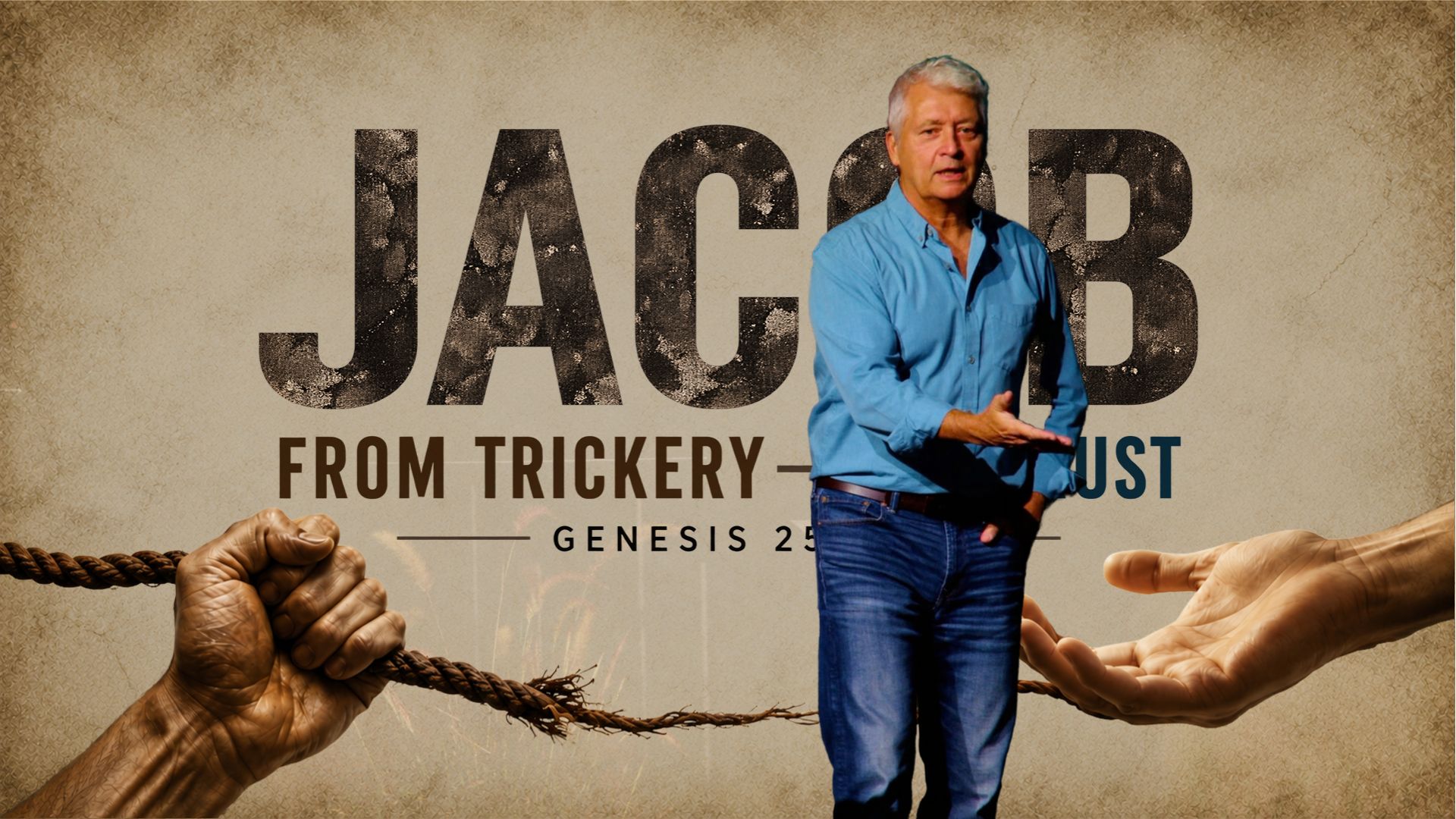
Welcome to Oxford Online, where we believe that a relationship with Jesus Christ changes everything. It's our second week as we explore the life of Jacob. Before we get to Jacob, though, we have some important lessons to learn from his father Isaac in Genesis 26. Join us as we explore 8 lessons from a Nomad and see what God can teach us through His Word.
Message Summary
Genesis 26 shows Isaac facing many of the same troubles his father Abraham experienced. There was a famine in the land, and the natural response would have been to go to Egypt for security. However, God specifically told Isaac not to go. Isaac was called to follow God’s direction rather than simply doing what seemed normal or copying the crowd.
God then repeated His covenant promises to Isaac: He would be with him, bless him, give him the land, multiply his offspring, and bless the nations through them. These promises were not based on Isaac’s perfect behaviour. Isaac soon repeated the same sinful pattern Abraham had modelled by claiming that Rebekah was his sister rather than his wife. Yet God protected Isaac, preserved the covenant family, and continued to bless him.
Isaac’s prosperity led to envy and conflict with the Philistines. Rather than responding with bitterness or fighting for every well, Isaac continued moving until the Lord made room for him. Eventually, even Abimelech recognized that the Lord was with Isaac.
The message reminds us to follow God rather than the crowd, trust His promises, learn from the examples we have received, avoid bitterness and envy, and live in such a way that others can see the Lord’s presence in our lives.
Small Group Questions
Opening Question
- Have you ever felt pressure to respond to a difficult situation in the same way everyone else was responding? What made it difficult to choose a different path?
Understanding the Passage
- What circumstances did Isaac face at the beginning of Genesis 26?
- Why would going to Egypt have seemed like a reasonable or normal response to the famine?
- What specific instructions did God give Isaac, and what promises did He make to him?
- What does this passage teach us about the difference between following God and simply following the crowd?
- How did Isaac repeat the sinful pattern previously seen in Abraham’s life?
- What warning does Isaac’s example give us about the behaviours and attitudes we model for others?
- What does Abimelech’s response reveal about the seriousness of Isaac’s deception and the importance of marriage?
- How did God continue to bless Isaac even though Isaac did not always act faithfully?
- Why did the Philistines envy Isaac, and how did Isaac respond to their opposition?
- What did Abimelech and his companions recognize about Isaac in verse 28?
Growth and Application
- Where might you be tempted to do what seems normal or secure instead of obeying God?
- Are there sinful patterns in your life that you may have learned from your family or past influences? How can you respond through repentance rather than simply repeating them?
- What does it mean to trust God’s promises when obedience seems costly or inconvenient?
- How can you guard against envying the blessings God has given to someone else?
- Is there any bitterness currently consuming energy or attention that could be redirected toward faithfulness and obedience?
- If people observed your life closely, what evidence might they see that the Lord is with you?
Prayer
Pray for:
- Faith to follow God when His instructions differ from what seems normal or safe.
- Wisdom to recognize and repent of sinful patterns we have learned from others.
- Gratitude for God’s undeserved and unearned blessings.
- Freedom from envy and bitterness.
- A life that clearly demonstrates that the Lord is with us.
- Greater confidence in God’s promises fulfilled through Jesus Christ.